Sport
External activity
With every movement, more than fitness grows – structure, body awareness, and self-confidence grow too.
Sport in groups
Group sport specifically promotes motor skills, stress relief, and self-confidence in people with autism and NDD. The structured setting provides valuable orientation and creates security. Group sport also makes it possible to build social contacts, practise non-verbal communication, and experience social participation.
Suitable sports
These sports offer clear structures and are particularly well suited:
- Swimming: Even movements, clear lanes, and water pressure often have a calming effect on perception.
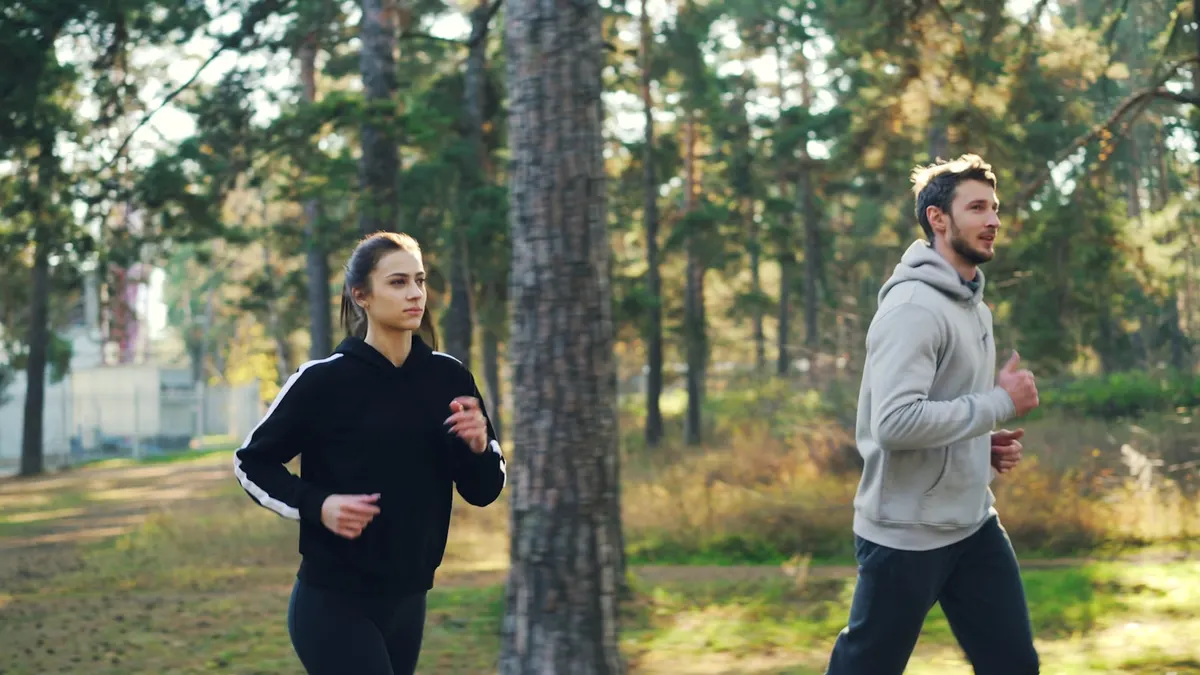
- Athletics / running: Clear sequences, understandable rules, and measurable progress – without direct physical contact.
- Cycling: Promotes coordination and allows pace and stimuli to be controlled individually.
For further information or suitable offerings nearby, the specialised organisation PluSport can help.
Personal training
Alongside group offerings, individual training plays an important role. A personal approach allows targeted attention to individual needs and daily form, consideration of physical conditions (e.g. posture, coordination, muscle tone), adaptation to possible physical limitations, and the building of a safe and trusting framework. This allows exercises to be optimally tailored and overexertion avoided, while progress is specifically encouraged at the same time.
Possible provider: personal coach Valerio Schärer, 078 667 53 45.
Why sport works for autism
Movement directly engages the same biological systems that are also addressed in biomedicine:
- Activation of metabolism and mitochondria: Sport promotes the formation of new mitochondria (cellular power plants) and improves their function, leading to more energy for brain development.
- Oxygen supply & blood flow: Physical exertion increases blood flow to the brain and supports the formation of new nerve cells and neural connections.
- Reaction & coordination (e.g. table tennis): Sports like this train hand-eye coordination and reaction time extremely effectively, and also build understanding of social cues.
- Posture & breathing: Targeted training strengthens core muscles and improves body awareness (proprioception) and self-confidence.
Institutions such as the Otizm Spor Eğitim Merkezi or the SOBE Foundation (Turkey) specifically use sport as a therapeutic lever to improve emotional regulation through physical exertion, reduce stereotyped behaviour through targeted movement stimuli, and promote social inclusion through play and team dynamics.