Pottery
External activity
With every touch, pottery creates more than a vessel – it creates calm, structure, and creativity.
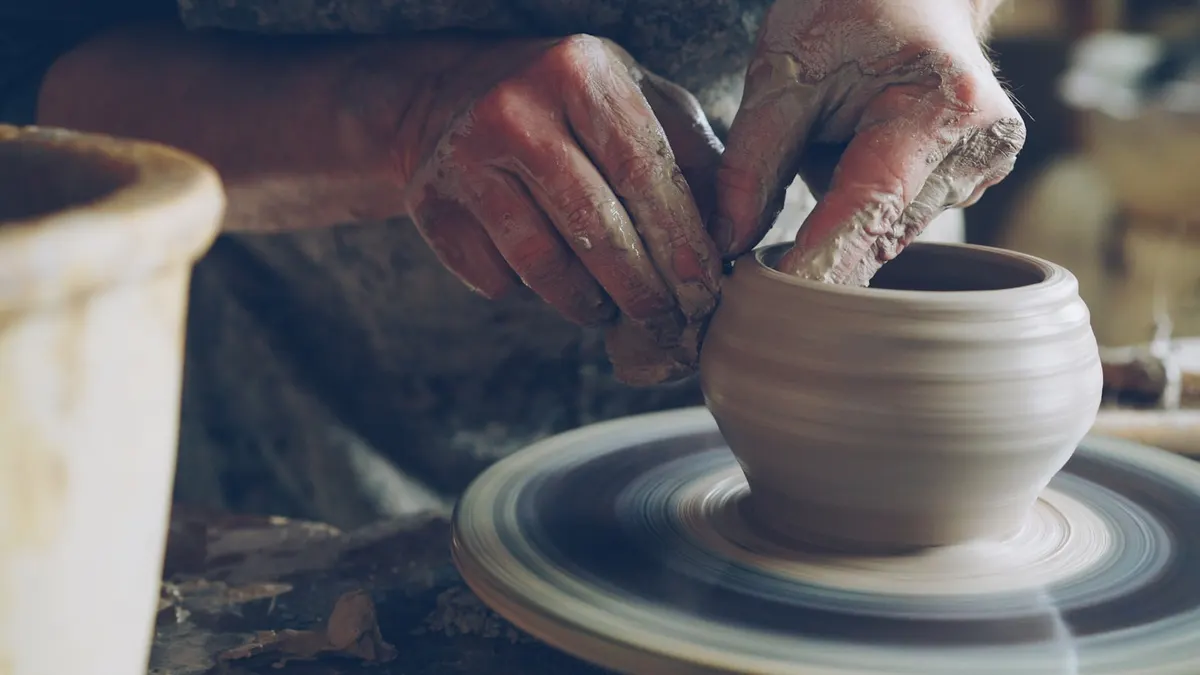
Pottery is also valuable for people with autism and NDD, as it offers a structured, tangible, and low-stimulus setting. Manual work with clay promotes self-regulation, non-verbal expression, and fine motor skills.
- Sensory regulation: The tactile experience – feeling the consistency, temperature, and moisture of the clay – has a very calming effect on many autistic people and helps them process stimuli better.
- Structure and predictability: Pottery follows clear, logical steps (kneading, shaping, drying, firing, glazing). This structure, along with the visible, controllable transformation of the material, provides a sense of security.
- Non-verbal communication: It is often easier to knead feelings, frustrations, or inner images into a shape than to put them into words.
- Focus and stress relief: The meditative rhythm of shaping draws attention away from external stressors or anxieties.
- Strengthening self-confidence: The end result is a tangible, lasting product – having created something beautiful and useful with one’s own hands produces a strong sense of achievement.
Possible provider
les céramiques de monica
Impasse du Raffort 9, 1695 Rueyres-Saint-Laurent
Website · Map · monica.ceramique@bluewin.ch · 079 373 65 22