Horse Riding
External activity
The interplay between human and horse creates not only movement, but also calm, connection, and self-confidence.
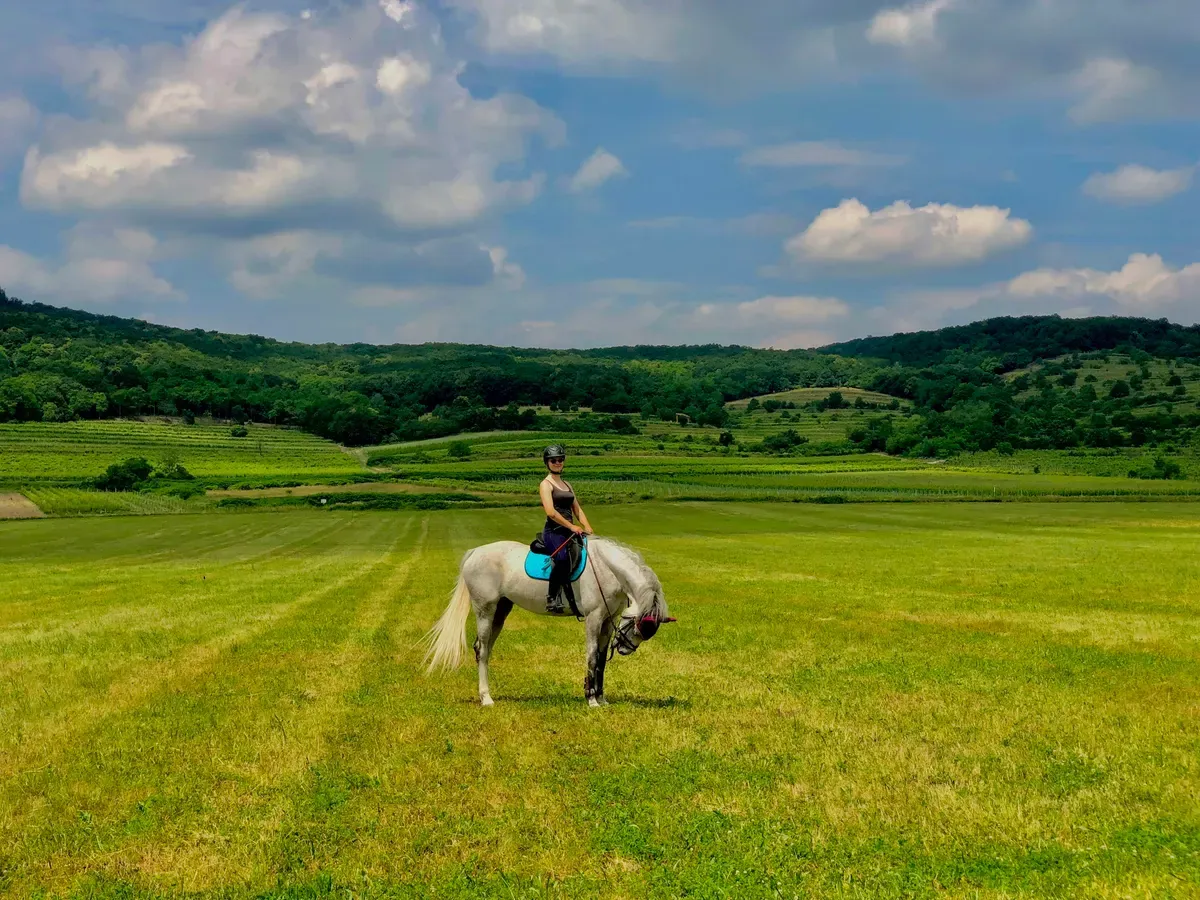
Riding in nature and walks together with the horse offer people with autism and NDD a stress-free space free of therapeutic performance pressure. The experience of nature, combined with the animal’s movement, has a calming effect, regulates sensory input, and promotes physical and psychological health in a completely natural way.
The benefits of trail riding and walks
- Reduced sensory stimuli: Nature offers a calm, predictable backdrop of sound without the stressful noise, artificial light, or crowding of everyday life.
- Filtering sensory impressions: Birds, wind, and rustling leaves gently redirect attention and help calm the nervous system during sensory overload.
- Grounding in the here and now: Direct contact with the horse’s coat, the smell of the forest, and the ground underfoot (when leading the horse) have a strongly grounding effect.
- Freedom without judgement: Horses have no expectations, do not demand eye contact, and do not judge a person’s behaviour. This creates deep emotional security.
- Feelings of happiness: Movement in the fresh air demonstrably reduces the stress hormone cortisol while releasing endorphins.
- Physical balance: Riding over uneven forest ground, hills, or turns challenges and strengthens balance and deep muscle stability in a playful way.
- Rhythm and calm: The horse’s even, swaying gait transfers directly to the rider, loosens muscle tension, and calms the heartbeat.
Possible provider
Ferme équestre de la Perraire
Chemin de la Perraire 4, 1526 Cremin/Lucens
Map · perraire@bluemail.ch · 079 723 50 77