Music and Movement
Internal activity
With every sound and every movement, not only expression is created, but also calm, structure, and joy.
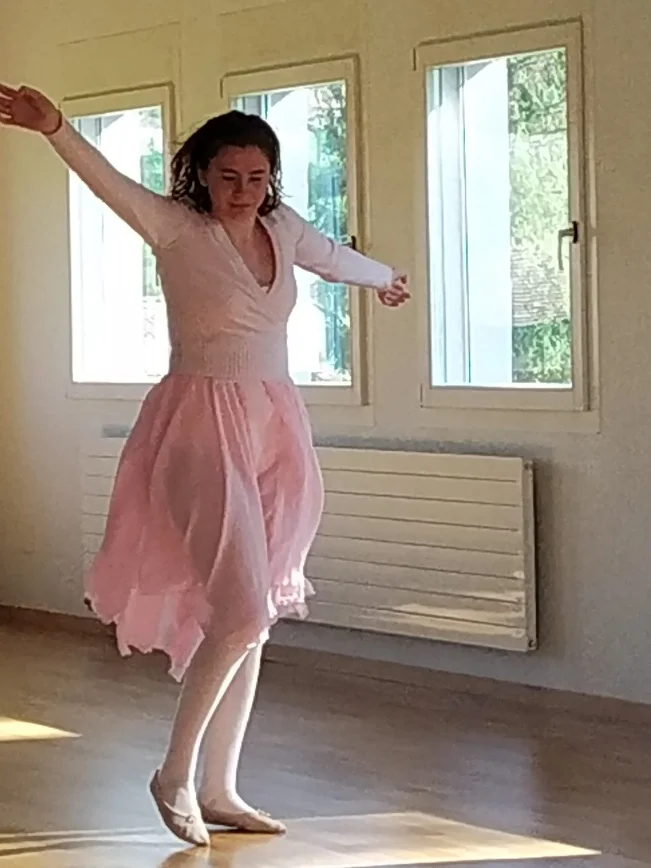
Music and movement offer people with autism and NDD a non-verbal, anxiety-free space for expression. They help regulate emotions, reduce the severity of core symptoms, improve motor skills, and facilitate social interaction.
The combination of rhythm, sound, and physical activity unlocks very specific potential:
- Non-verbal communication: Music often bypasses the cognitive, language-based level. Sounds and movements make it possible to express feelings without having to find words.
- Emotional regulation & stress relief: Through rhythmic interplay and dancing, inner tension, affective crises, and overstimulation can be better released and regulated.
- Promoting motor skills: The interplay of music and movement (as in eurythmics) trains coordination and gross and fine motor skills.
- Social interaction: Making music together creates social situations in a protected setting and helps reduce apprehension about contact with others.
- Structure and predictability: Fixed musical sequences and rhythms (e.g. welcome songs or “stop-and-go” games) give everyday life stability and security.